

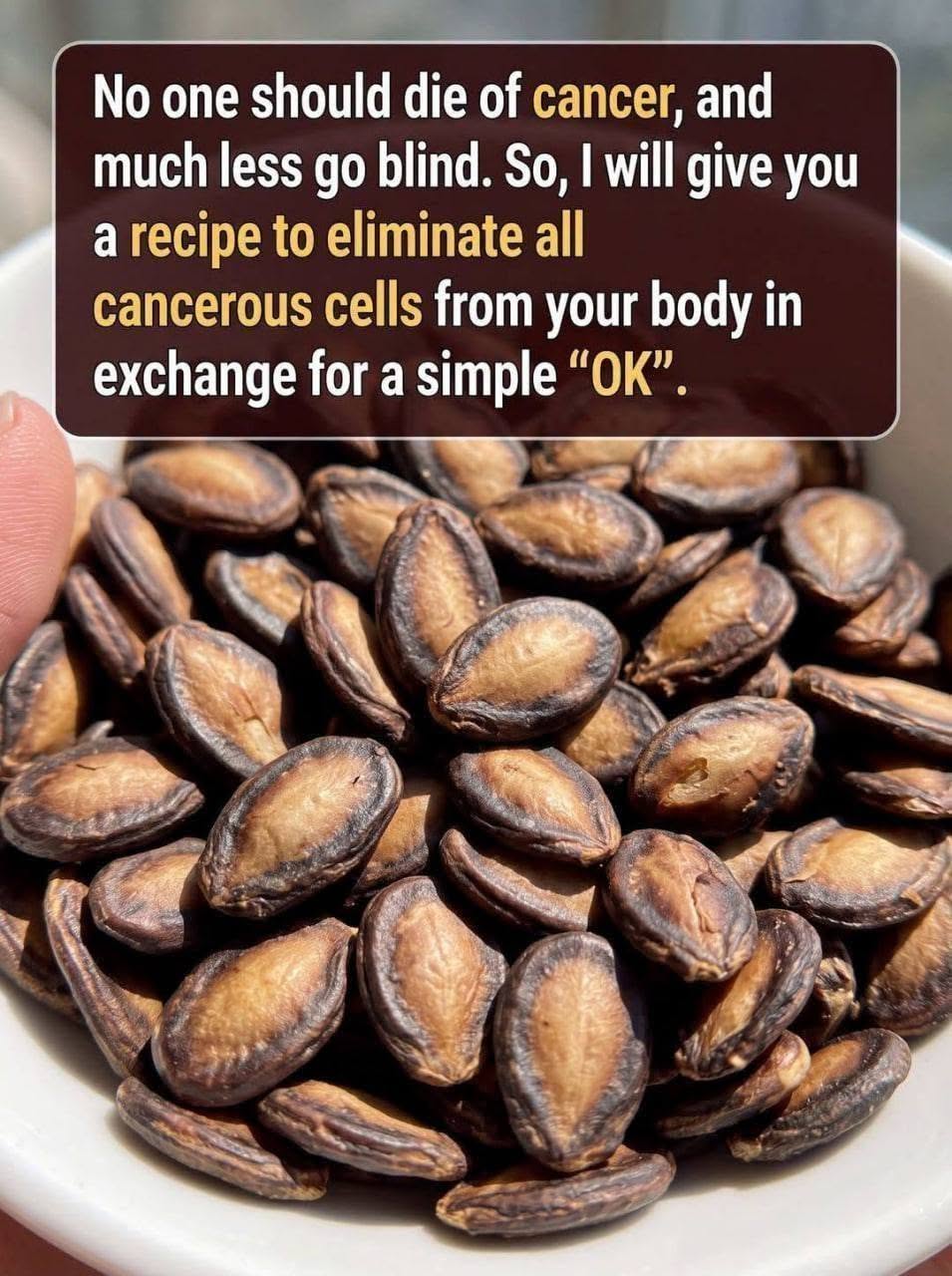
The same applies to vision. Nutrients such as zinc, vitamin A, vitamin C, vitamin E, and certain carotenoids are important for normal eye function, but no single seed can guarantee perfect vision or reverse cataracts, glaucoma, macular degeneration, or other eye diseases.
One of the easiest ways to enjoy watermelon seeds is to roast them. Start by rinsing the seeds thoroughly and allowing them to dry. Spread them on a baking tray, lightly coat them with a
Flora & Faunasmall amount of olive oil, and roast at approximately 160–180°C until crisp and lightly toasted. A small amount of salt, paprika, garlic powder, or another preferred seasoning can be added afterward.
Roasted watermelon seeds can be eaten as a crunchy snack or sprinkled over salads, soups, yogurt, oatmeal, or grain bowls. Because seeds are relatively energy-dense, a small handful is generally enough to add nutrients without providing excessive calories.
For people interested in healthy weight management, replacing highly processed snacks with nutrient-rich foods such as seeds, nuts, fruit, vegetables, and plain yogurt can be a practical strategy. However, watermelon seeds are not a fat-burning treatment and should be included within an appropriate overall calorie intake.
Anyone with a known allergy to seeds should avoid them, and people with specific medical conditions or dietary restrictions should consider their individual nutritional needs before making large changes
Flora & Faunasmall amount of olive oil, and roast at approximately 160–180°C until crisp and lightly toasted. A small amount of salt, paprika, garlic powder, or another preferred seasoning can be added afterward.
Roasted watermelon seeds can be eaten as a crunchy snack or sprinkled over salads, soups, yogurt, oatmeal, or grain bowls. Because seeds are relatively energy-dense, a small handful is generally enough to add nutrients without providing excessive calories.
For people interested in healthy weight management, replacing highly processed snacks with nutrient-rich foods such as seeds, nuts, fruit, vegetables, and plain yogurt can be a practical strategy. However, watermelon seeds are not a fat-burning treatment and should be included within an appropriate overall calorie intake.
Anyone with a known allergy to seeds should avoid them, and people with specific medical conditions or dietary restrictions should consider their individual nutritional needs before making large changesFlora & Faunato their diet.
Watermelon seeds are therefore much more than something to throw away. They can provide protein, healthy fats, magnesium, iron, zinc, and other nutrients as part of a varied diet. Their nutritional value makes them an interesting addition to everyday meals, but they should be appreciated as a wholesome food rather than as a miracle cure for cancer, blindness, or other serious diseases.