

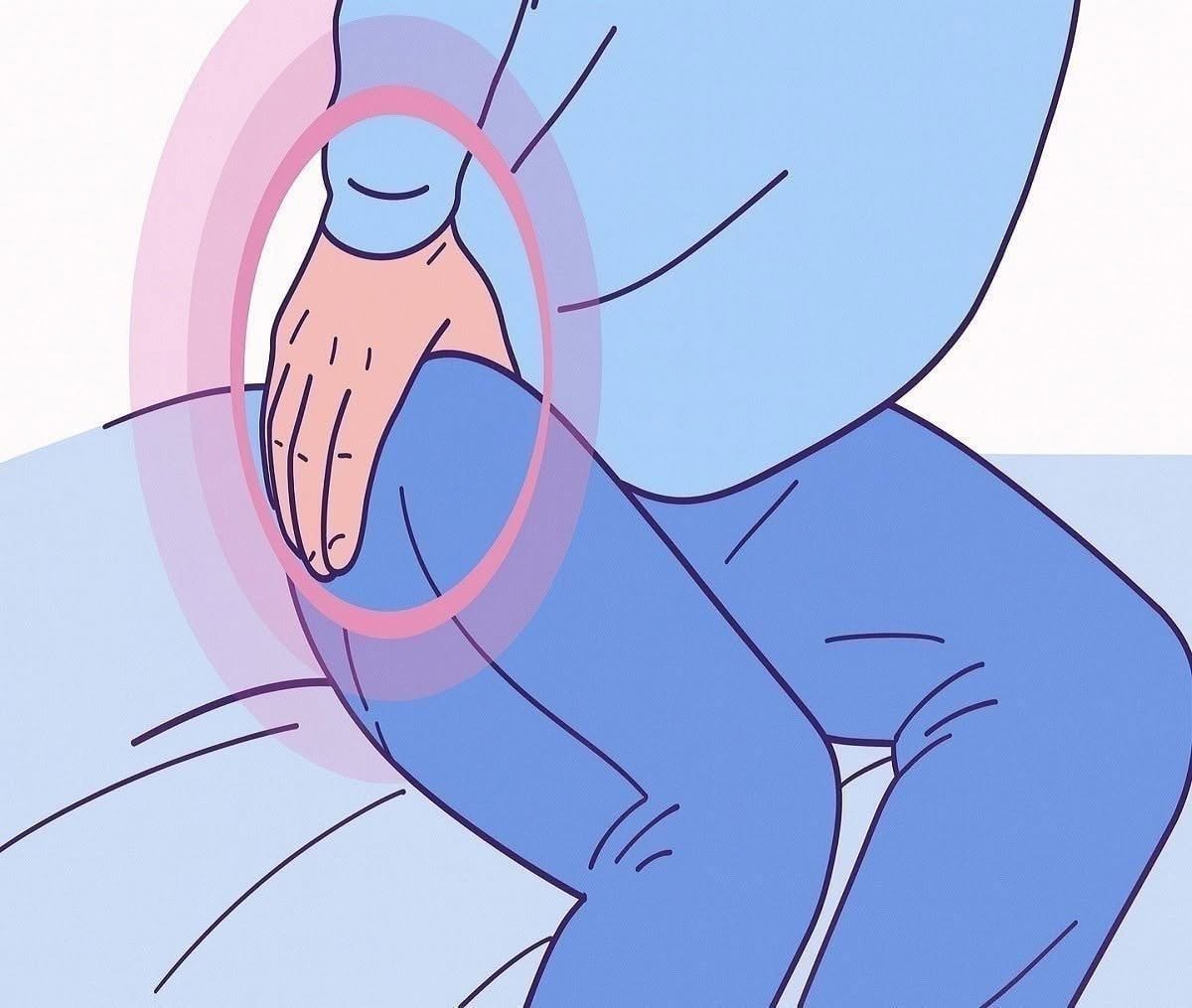
When to Seek Prompt Medical Evaluation
Contact a healthcare provider if you experience:
→ Inability to bear weight on the affected leg
→ Severe pain following a fall or injury
→ Visible swelling, warmth, redness, or fever (possible infection)
→ Numbness, tingling, or weakness radiating down the leg
→ Pain that consistently disrupts sleep
→ Symptoms persisting beyond 1–2 weeks without improvement
Note: These signs don’t always indicate emergency—but they warrant professional assessment to rule out serious conditions and begin appropriate care.
Gentle Steps You Can Take Today
While professional guidance is essential for persistent pain, these measures may support comfort during early stages:
✓ Rest mindfully – Avoid aggravating activities (running, jumping, deep squats), but maintain gentle movement to prevent stiffness
✓ Ice strategically – Apply cold packs for 15–20 minutes several times daily during acute flare-ups
✓ Stretch gently – Focus on hip flexors, hamstrings, and glutes—only to the point of mild tension, never pain
✓ Consider OTC relief – Acetaminophen or NSAIDs (e.g., ibuprofen) may ease discomfort short-term (consult your doctor first if you have underlying health conditions)
✓ Support your foundation – Wear shoes with cushioning and arch support; avoid prolonged standing on hard surfaces
Avoid: “Pushing through” pain, aggressive stretching, or ignoring progressive symptoms. Early intervention—whether physical therapy, activity modification, or medical treatment—often prevents minor issues from becoming chronic limitations.
A Thoughtful Perspective
⬇️To learn more, continue on the next page⬇️